About Stourbridge

About Stourbridge

Origins & Early Growth

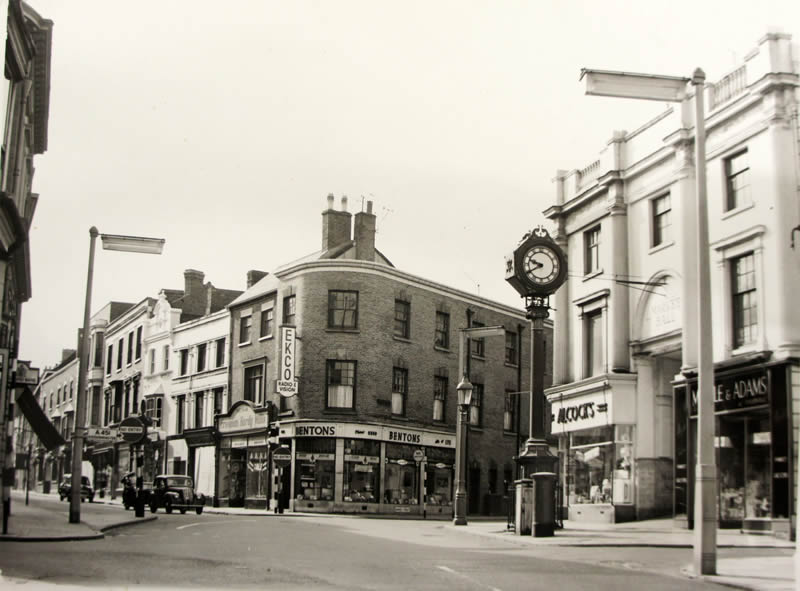
Stourbridge is a vibrant market town in the West Midlands of England, situated within the Metropolitan Borough of Dudley and lying on the banks of the River Stour. It is positioned around 15 miles from Birmingham and borders areas of attractive countryside – giving the town a unique mix of industrial heritage and natural charm.

  • The area around Stourbridge was originally suited to sheep-rearing and wool production, benefitting from local heath, hills and plentiful clean water.
  • From the 16th and 17th centuries, the local resources – coal, limestone and fire-clay – provided the foundation for heavy industry in what later became known as the Black Country region.
  • Glass-making began in the early 17th century when glassmakers from the Lorraine region (France) were attracted to the area by its coal and fire-clay suitable for furnaces.
  • The arrival of the canal in 1779 bolstered industrial expansion.

The Height of Industry

  • From the late 18th and through the 19th century, Stourbridge transitioned: the wool trade declined, and the town saw growth in iron‐works, nail and chain making, bricks and heavy engineering.
  • During this era the town benefitted from better transport links (canals, railways) and civic improvements: schools, drains, piped water, public buildings.
  • The glass industry in the area became globally renowned: “Stourbridge Glass” achieved an international reputation for quality lead-crystal glassware and glass artistry.

More Recent Developments

  • While the industrial dominance has changed, Stourbridge today retains its heritage yet is increasingly focused on regeneration, business, retail and quality of life.
  • Notably, the local business community supported the creation of a Business Improvement District (BID) for the town centre, aimed at promoting trade and investment.

Glass-making Heritage

The area around Stourbridge has been producing glass for over 400 years. Its reputation for excellent lead crystal and glass artistry is world-class.

The First US Locomotive

The iron works in the area (notably John Bradley & Co) produced the “Stourbridge Lion”, a locomotive that ran in America in 1829.

A Blend of industry & Countryside

The town sits at the interface of industrial heritage and natural beauty, which is somewhat distinctive in the Midlands.

Modern Business and community vitality

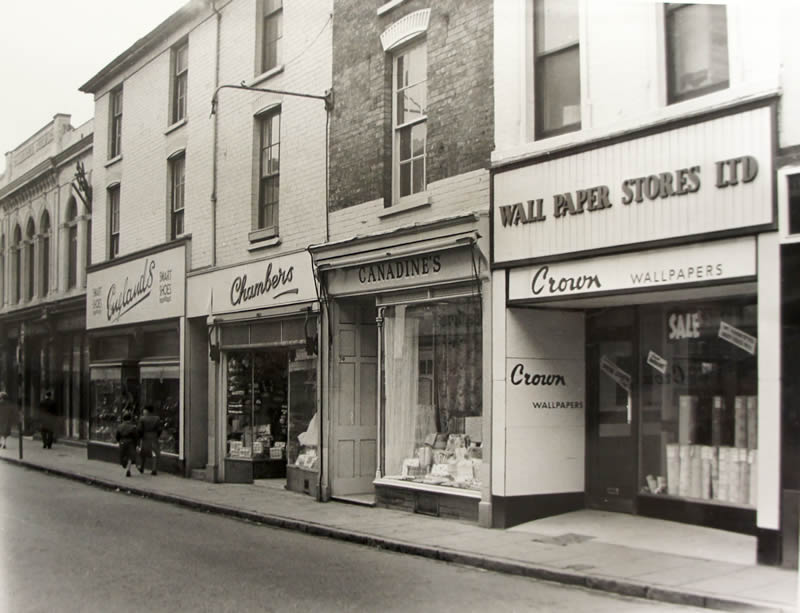
From the specialist glass studios, to independent shops in the town centre, and business support mechanisms (such as the BID), Stourbridge is maintaining a forward-looking profile.

Notable People From Stourbridge

Jude Bellingham

Professional Footballer

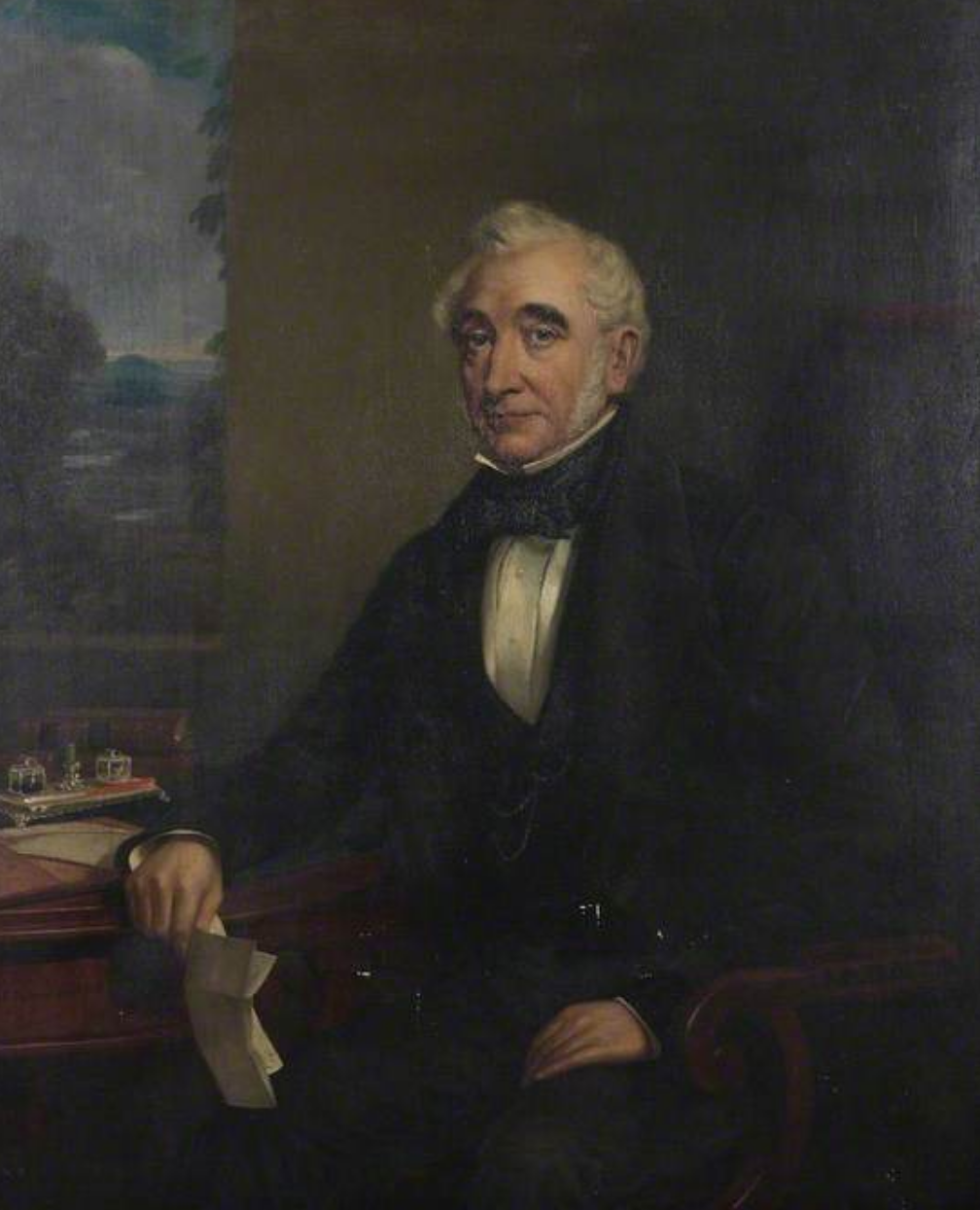
James Foster

Instrumental in the 19th-century industrial expansion

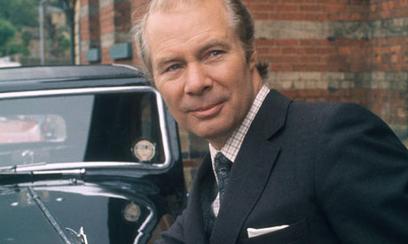
Anthony Bate

Actor

Clint Mansell

Musician and Composer

Johnny Briggs

Actor

Robert Plant

Singer of Led Zepplin

Present Day Achievements & Business Appeal

  • From a business perspective, Stourbridge offers a strong skill base, good transport links (close to major road networks and Birmingham), and a quality of life that combines town convenience with countryside nearby.
  • The town centre and business environment are moving forward: the BID will invest over five years to improve the town centre, boost footfall and thus support businesses.
  • The creative and manufacturing heritage of the town – especially glass, design and engineering – remains a key asset. For businesses looking at creative industries, manufacturing, or specialist engineering, Stourbridge is well positioned.
  • In terms of community and lifestyle, Stourbridge offers good housing options, pleasant surroundings, and is on the doorstep of countryside (for example the Clent Hills are nearby).
  • Stourbridge’s business offer is broad and community-centred, combining local retail & services, professional support firms, light industry and heritage-linked creative sectors. The town’s strong network of independent businesses and recent investments (including the BID initiative) are aimed at strengthening trade and attracting both residents and visitors

  • Stourbridge’s cultural offer is shaped by its international glassmaking heritage, active creative community, and strong local participation. Key assets such as the Red House Glass Cone sit alongside live music, performance, festivals, and community-led events that animate the town centre. Heritage, arts, and green spaces combine to support local identity, wellbeing, and the visitor economy, making culture an important part of Stourbridge’s sense of place.